Finest Aquatics Livestock
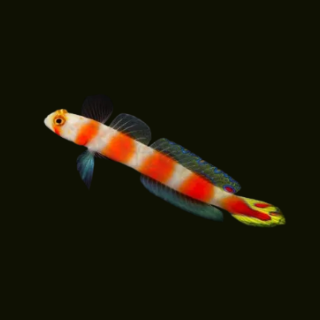
| Suntail · Goby —
| Suntail · Goby —
Couldn't load pickup availability
Aquarium Requirements
Minimum Tank Size: 30 gallons (115 litres) —
Temperature: 24–27°C (75–81°F)
pH: 8.1–8.4 —
Specific Gravity (Salinity): 1.020–1.025
Alkalinity: 8–12 dKH
Ammonia & Nitrite: 0 ppm
Nitrate:< 10 ppm
Aquascape: Provide a deep sandy substrate (3–5 inches) for burrowing, along with live rock and crevices for hiding and shelter
• Suntail Gobies thrive in established aquariums with stable water parameters and ample space for natural digging and burrow-building behavior.
Diet and Feeding
Suntail Gobies are carnivorous and feed primarily on small meaty foods:
▪ Frozen or live foods such as mysis shrimp, brine shrimp, and finely chopped seafood
Sinking micro-pellets formulated for carnivorous marine fish
Feed 2–3 times daily, placing food near the substrate to encourage natural foraging
◆ A varied diet supports health, vibrant coloration, and active behavior.
Temperament and Compatibility
Suntail Gobies are peaceful, bottom-dwelling fish that coexist well with other non-aggressive species. Their symbiotic relationship with pistol shrimp adds an interesting dynamic to the aquarium.
Tankmate Recommendations:
Suitable: Clownfish, small gobies, blennies, firefish, and other peaceful reef species
Avoid: Large predatory or aggressive fish
Providing deep sand and hiding places allows the goby to display natural behaviors and reduces stress.
Reef Compatibility ·
✅ Reef Safe
Suntail Gobies are reef safe and do not harm corals or sessile invertebrates, making them suitable for reef aquariums.
Additional Information
Maximum Size: Up to 8 cm (3 inches)
Lifespan: 3–5 years with proper care |
Difficulty Level: Moderate
Natural Behavior: Peaceful, burrow-dweller, often in symbiosis with pistol shrimp ·
Origin: Indo-Pacific
‣ The Suntail Goby (Cryptocentrus aurora) is a peaceful, small, and behaviorally fascinating marine fish that adds natural activity and charm to reef and community aquariums. With stable water conditions, a protein-rich diet, and a deep sandy substrate, it thrives as a long-lived and captivating member of the aquarium community.
Share